When most drivers think about protecting their vehicle, they focus on rain, dirt, and everyday wear. However, one of the most damaging elements to your car or van interior is something you can’t see — UV radiation from sunlight.
Even in the UK, where sunshine may feel less intense than other climates, UV exposure can gradually cause significant interior damage. Over time, this can lead to fading, cracking, discolouration, and reduced resale value.
Understanding how UV affects your vehicle — and how to prevent it — is essential for long-term interior care.
 How UV Rays Damage Your Vehicle Interior
Ultraviolet rays penetrate through windows and steadily break down interior materials. This process happens gradually, meaning damage often becomes visible only after months or years of exposure.
Common signs of UV damage include:
-
Faded dashboards and door panels
-
Cracked or brittle trim
-
Discoloured upholstery
-
Weakening of stitching and seams
-
Warped plastic surfaces
The dashboard is especially vulnerable, as it sits directly beneath the windscreen and absorbs the most sunlight.
Why UV Protection Is Important in the UK
It’s easy to assume that UV damage is only a concern in hot countries. However, UV radiation is present even on cloudy days. Long summer daylight hours and vehicles parked outdoors regularly increase cumulative exposure.
In the UK, vehicles parked on driveways or roadside parking are especially at risk, particularly if:
-
There is no garage available
-
The car faces direct sunlight for several hours a day
-
The vehicle is left unused for extended periods
Over time, even moderate UV exposure adds up.
The Long-Term Cost of Sun Damage
Interior UV damage isn’t just cosmetic. It can lead to:
-
Expensive dashboard repairs
-
Replacement of faded trim panels
-
Upholstery restoration
-
Reduced resale value
Cracked dashboards and faded interiors can significantly affect a vehicle’s appearance and perceived condition.
Preventative protection is usually far more cost-effective than repairing sun damage later.
How to Protect Your Vehicle Interior from UV Damage
There are several practical ways to reduce UV exposure inside your vehicle.
Use Windscreen Covers or Sunshields
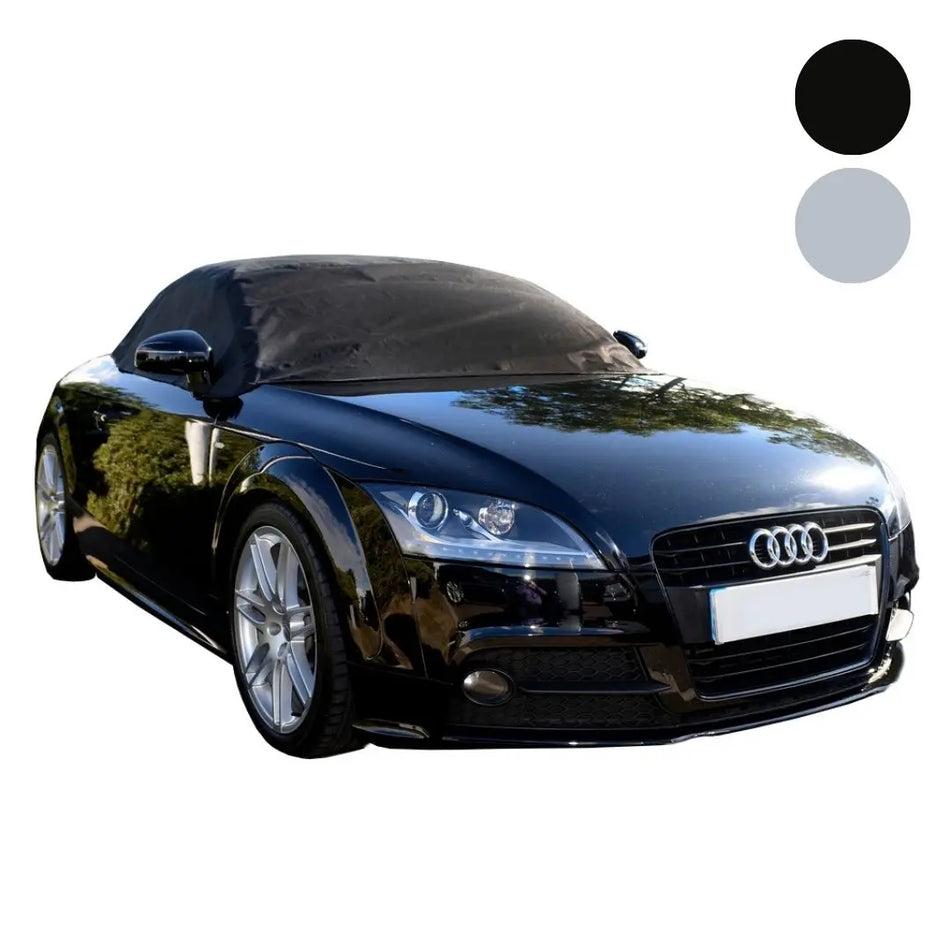
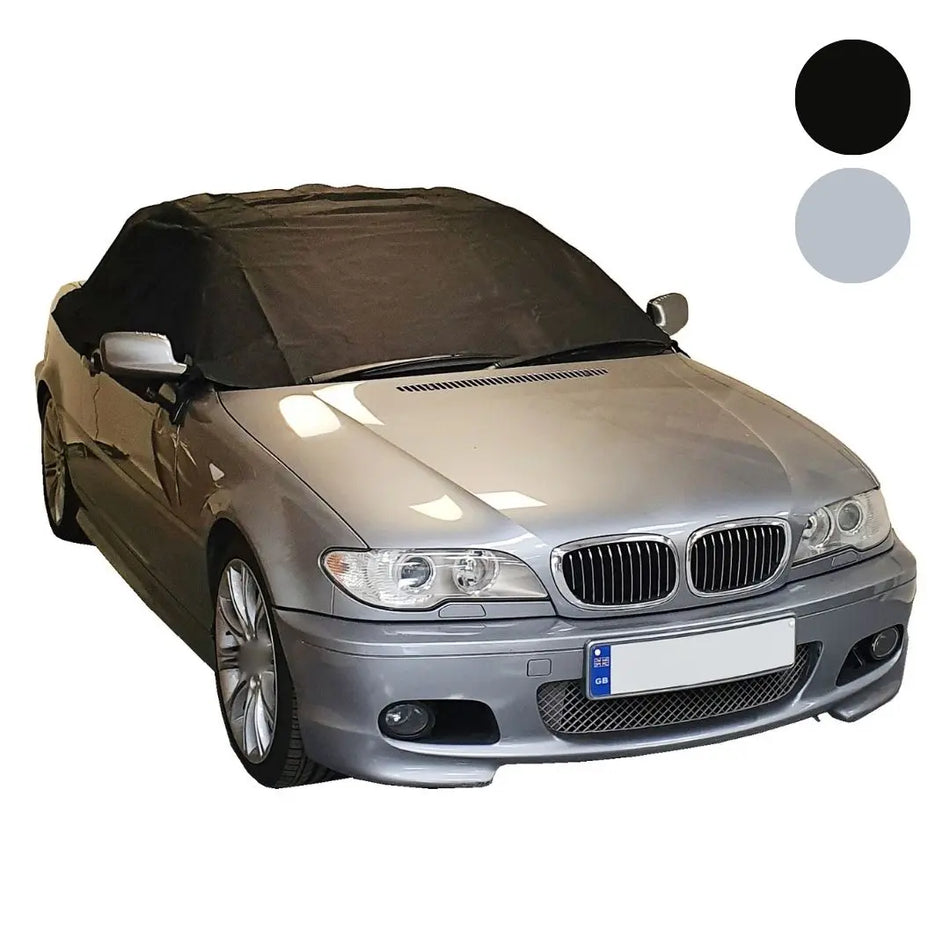
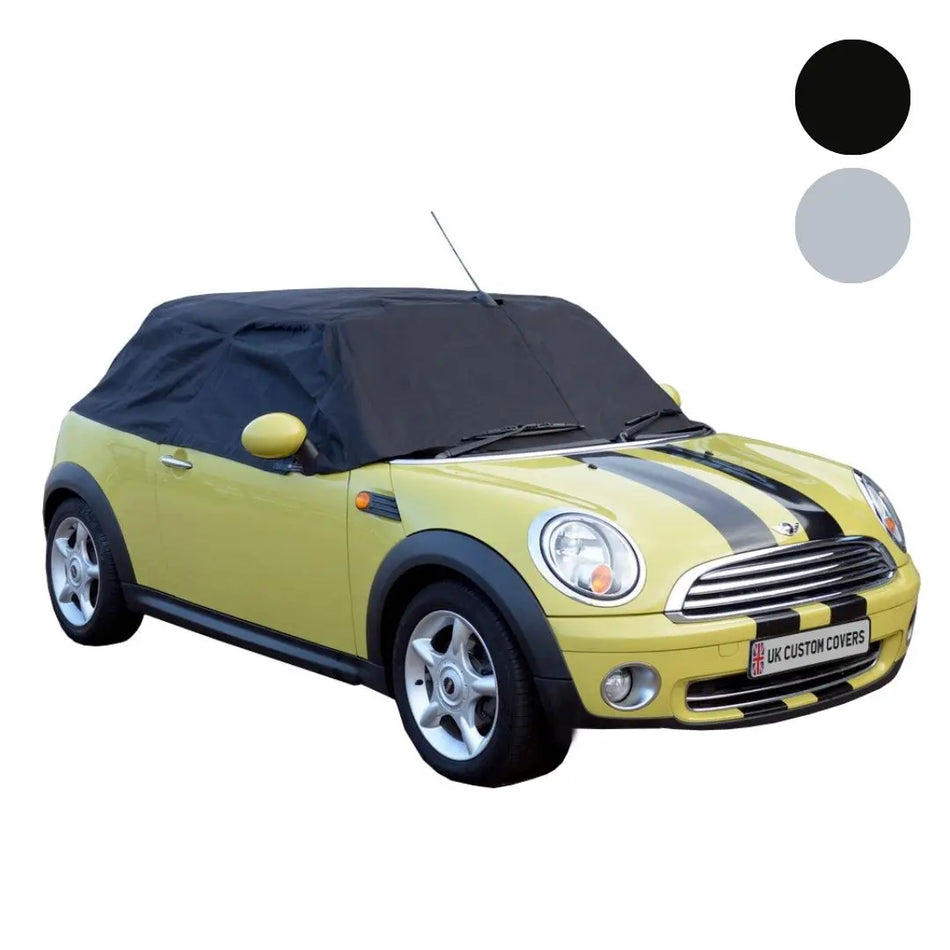
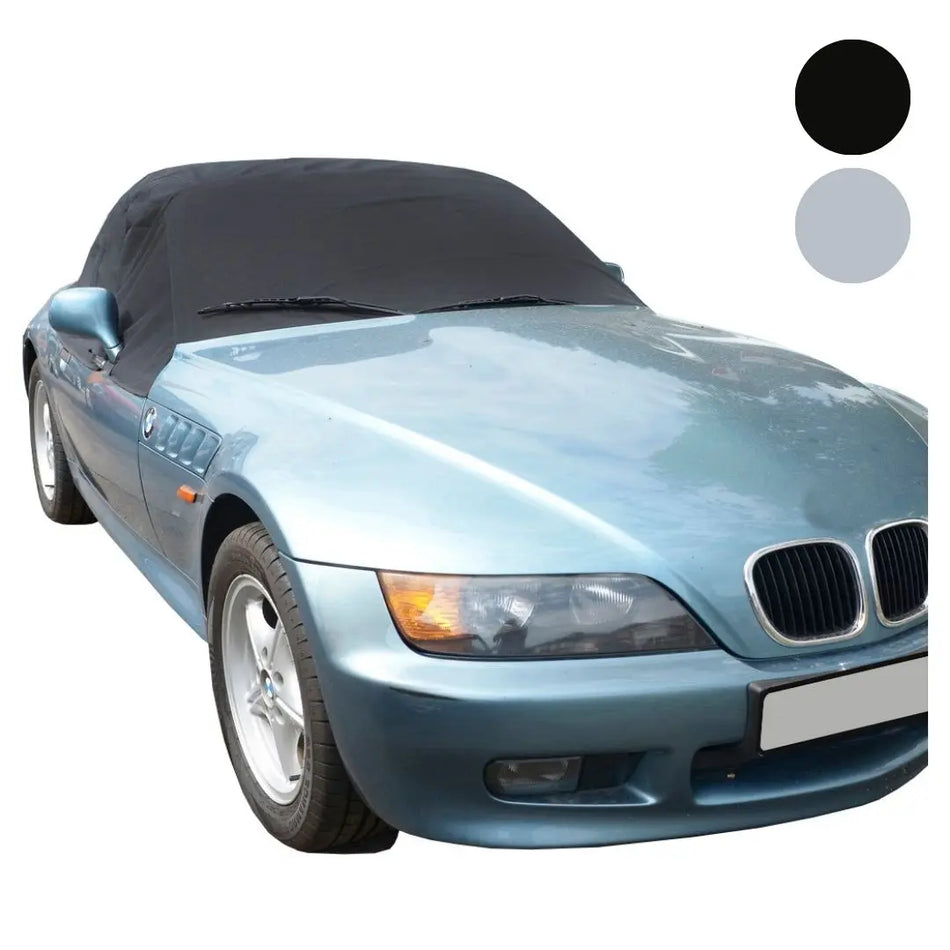
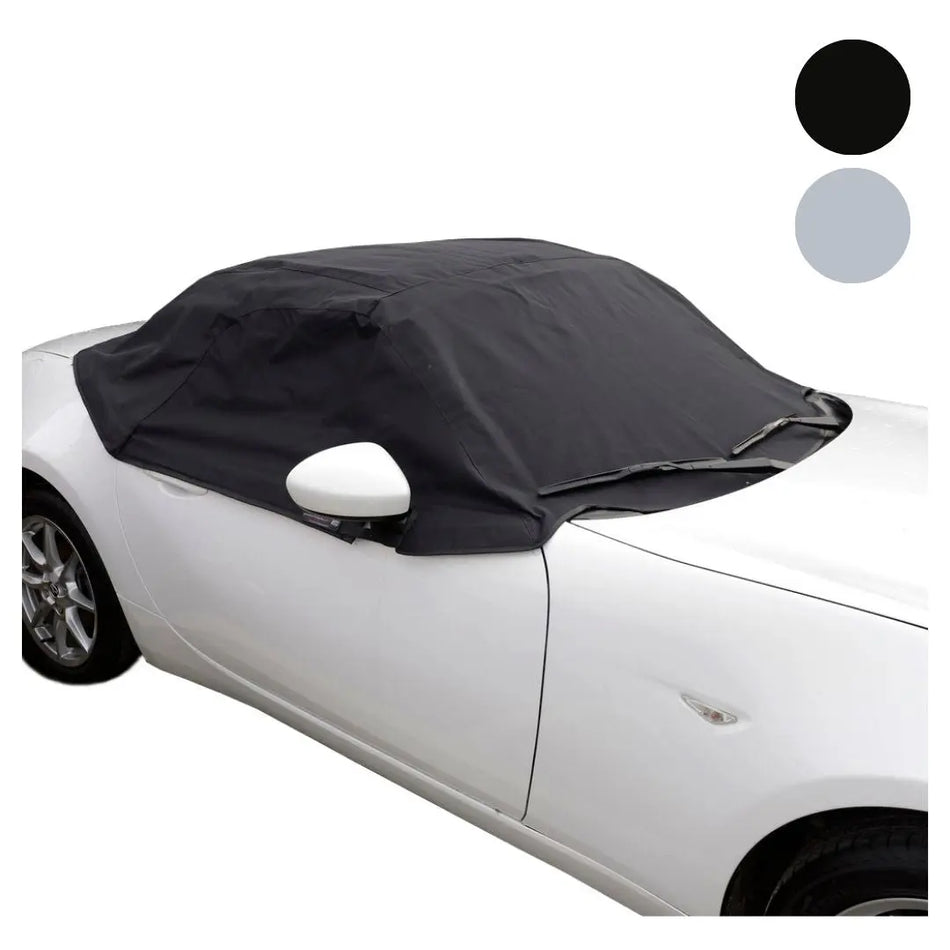
External windscreen covers or reflective sunshields reduce the amount of sunlight entering through the glass. This helps lower cabin temperature and reduce dashboard exposure.
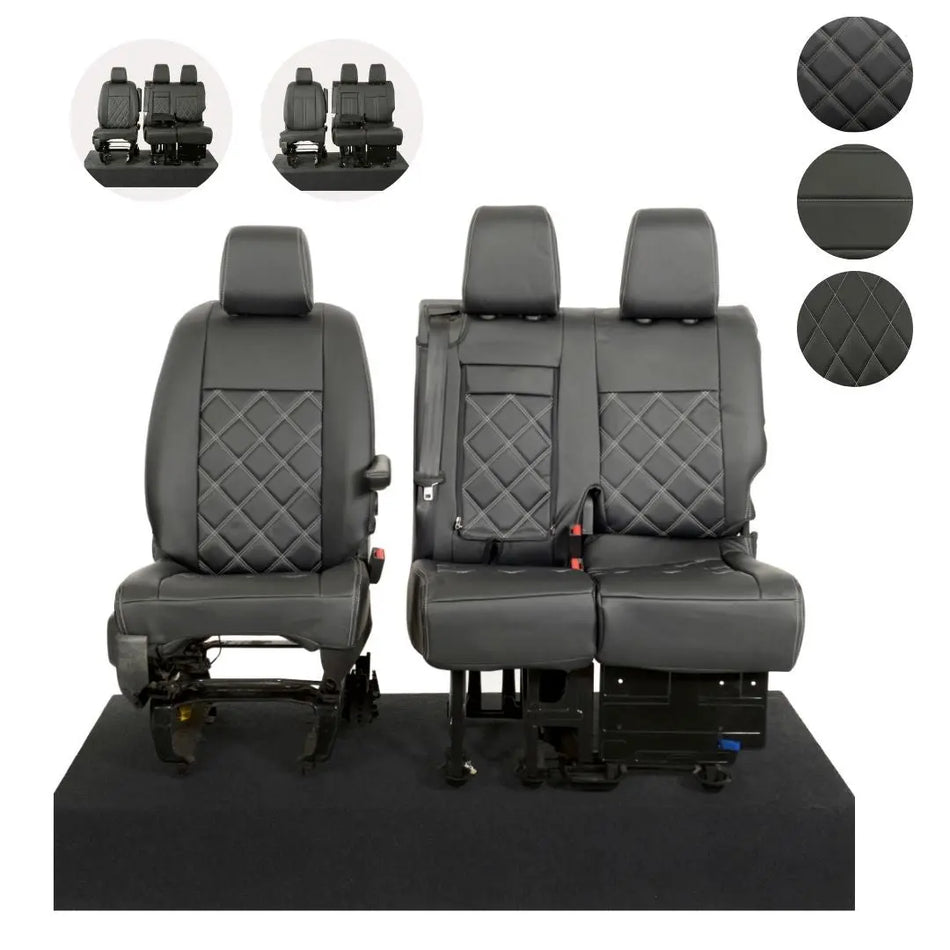
Fit Seat Covers
High-quality seat covers help protect upholstery from fading and UV degradation. They act as a barrier, especially useful for vehicles parked outdoors regularly.
Park Strategically
Whenever possible:
-
Park in shaded areas
-
Use covered parking
-
Avoid long-term direct sun exposure
Even small changes in parking habits can reduce UV impact.
Consider Car Covers for Outdoor Storage
For vehicles parked outside daily or stored long-term, an outdoor car cover with UV resistance provides full exterior shielding. This protects both paintwork and interior surfaces from prolonged sunlight.
Protecting Vans and Work Vehicles
Commercial vehicles and work vans are often parked outdoors for long hours. Over time, UV damage can cause:
-
Fading dashboards
-
Deterioration of plastic trim
-
Worn-looking interiors
For businesses, maintaining a clean, professional interior matters. UV protection helps preserve that professional appearance.
A Simple Step That Makes a Big Difference
UV damage happens gradually, but the impact can be significant. By taking simple protective measures — such as windscreen covers, seat protection, and car covers — you can dramatically reduce sun-related wear.
Interior protection isn’t just about keeping things clean — it’s about preserving your vehicle for the future.
Protect Your Interior with UK Custom Covers
At UK Custom Covers, we provide practical interior protection solutions designed for real UK conditions. From seat covers and rubber mats to windscreen protection and car covers, our products help reduce everyday wear — including UV exposure.